









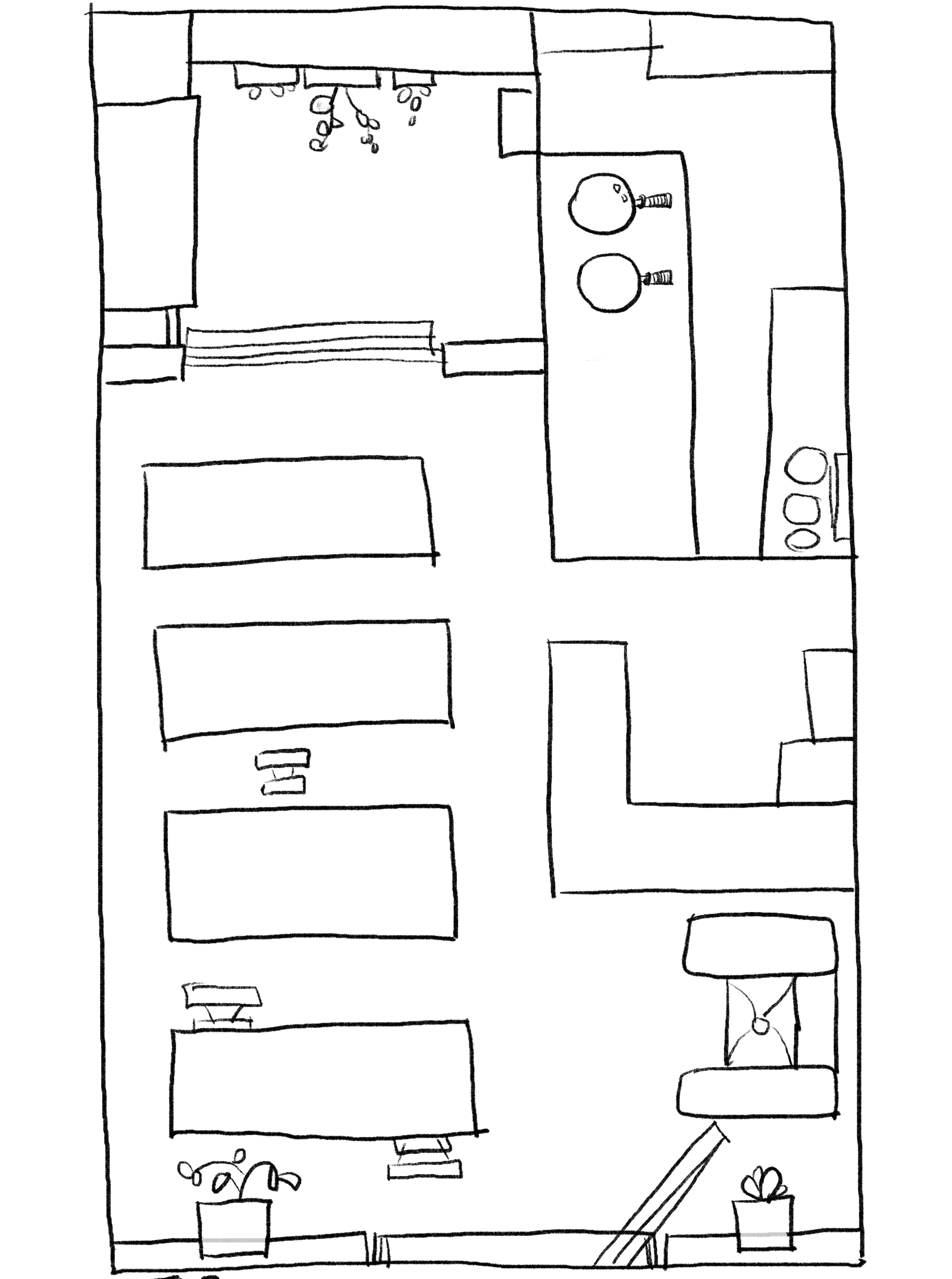





Kitchen
Plants Area
Dining area
Bathroom
Balcony
Counter
Entrance
Entrance
SOUND MAP
Warehouse
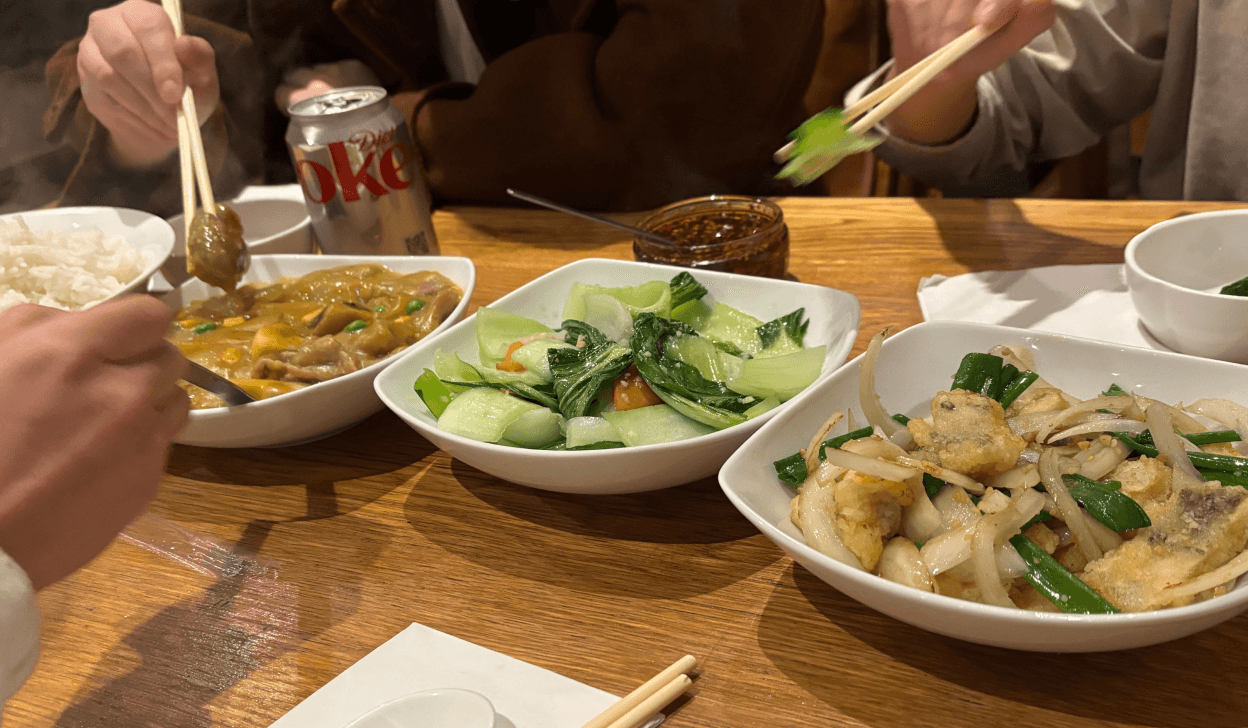
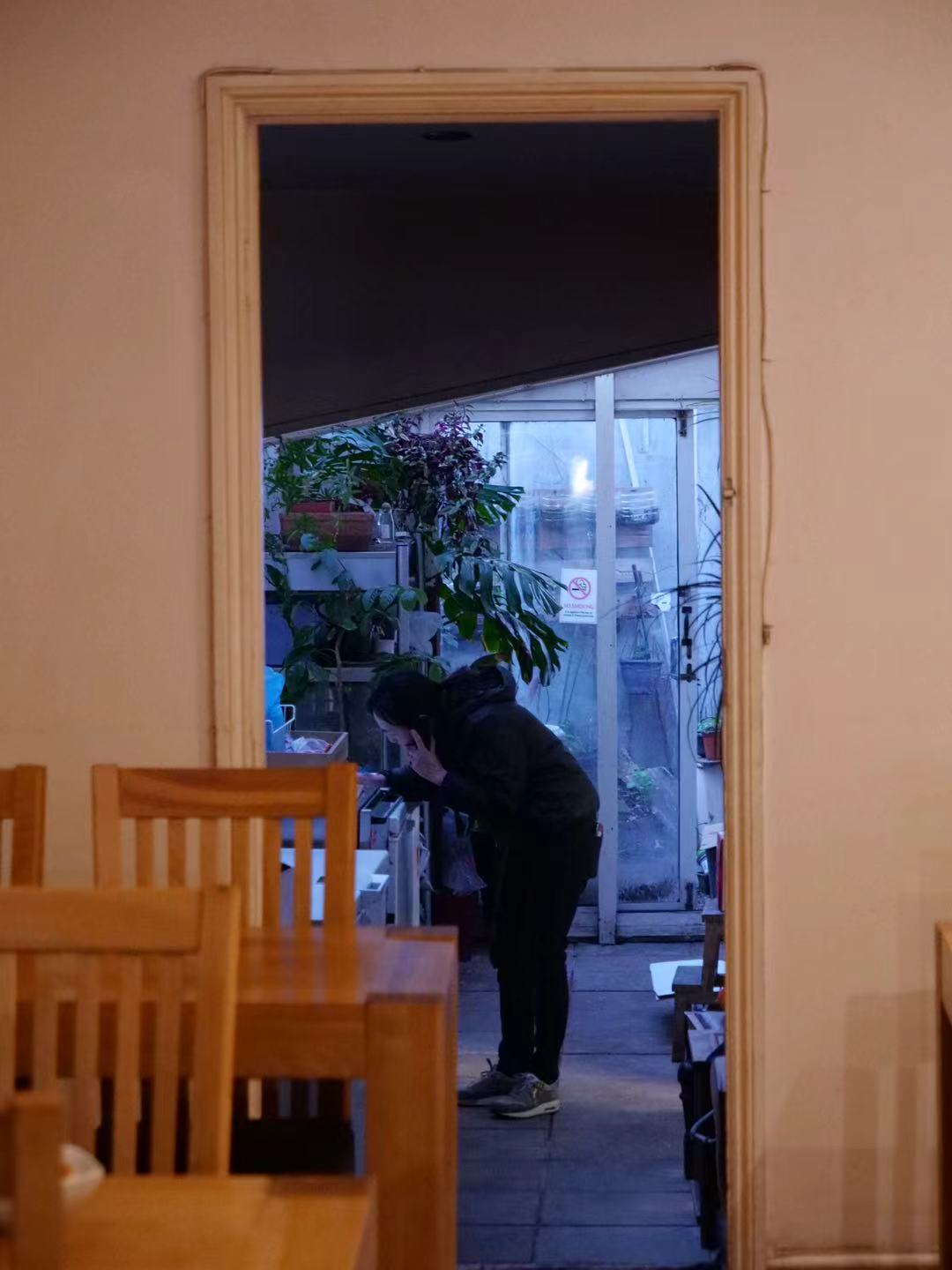
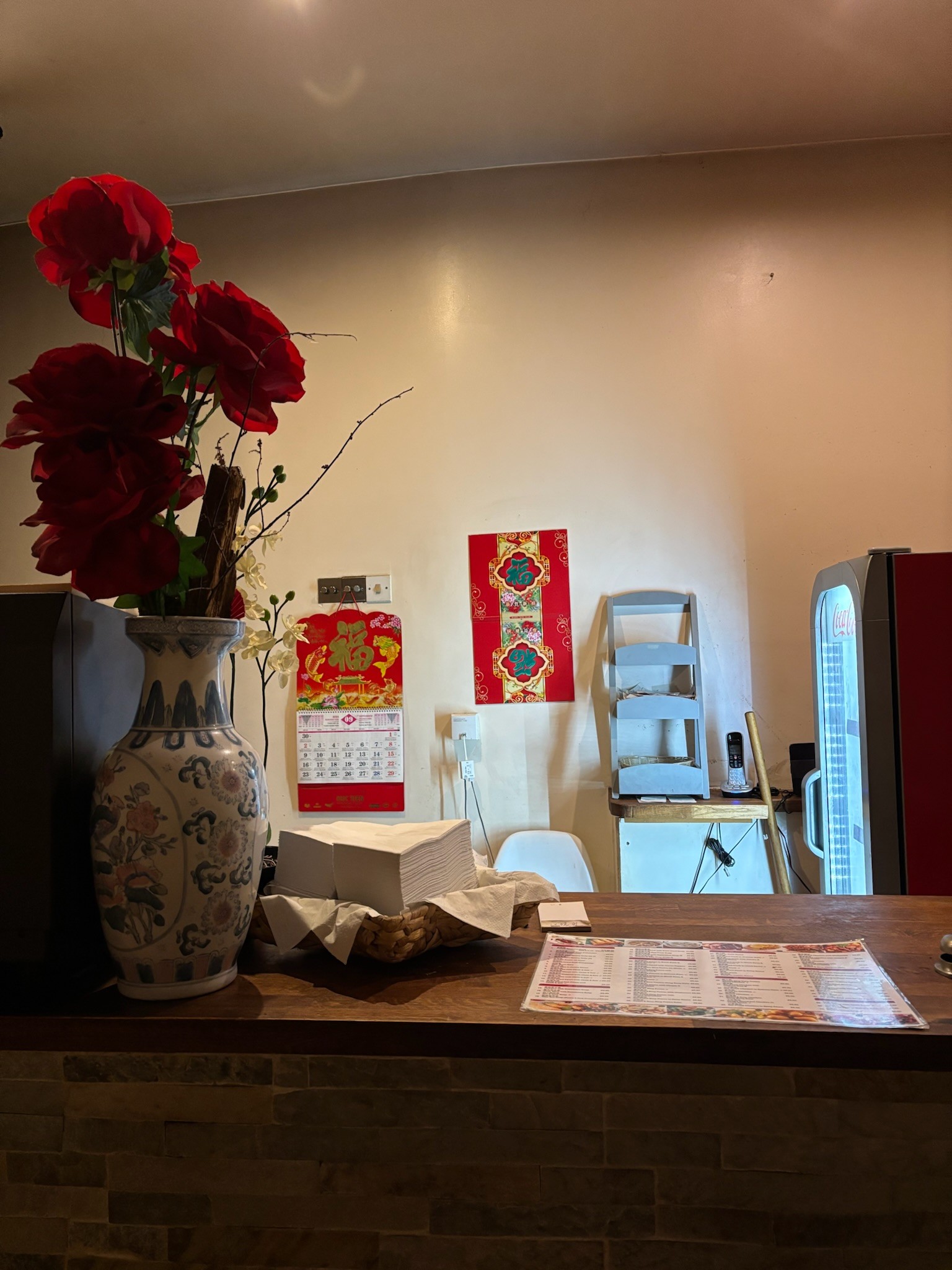
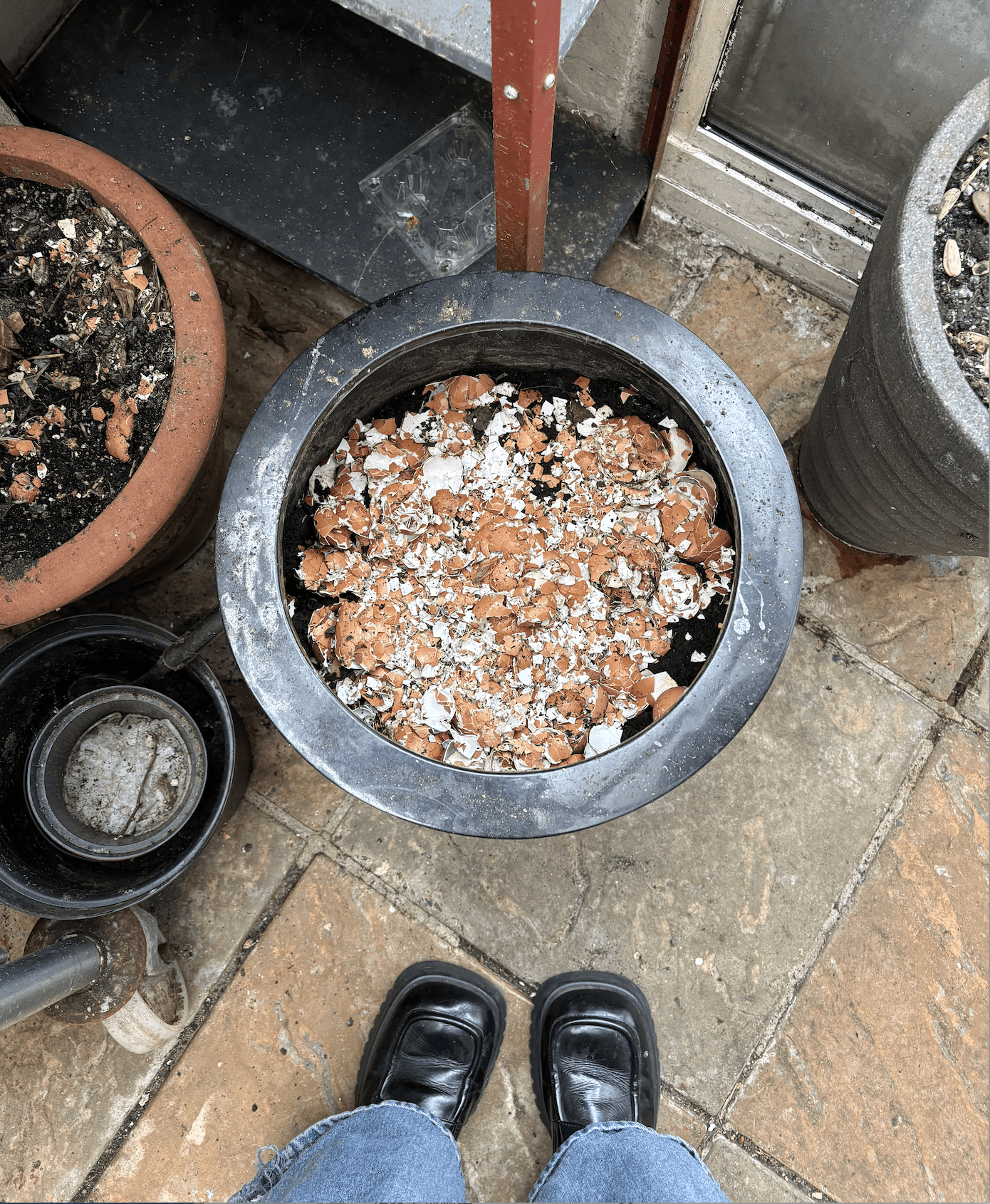
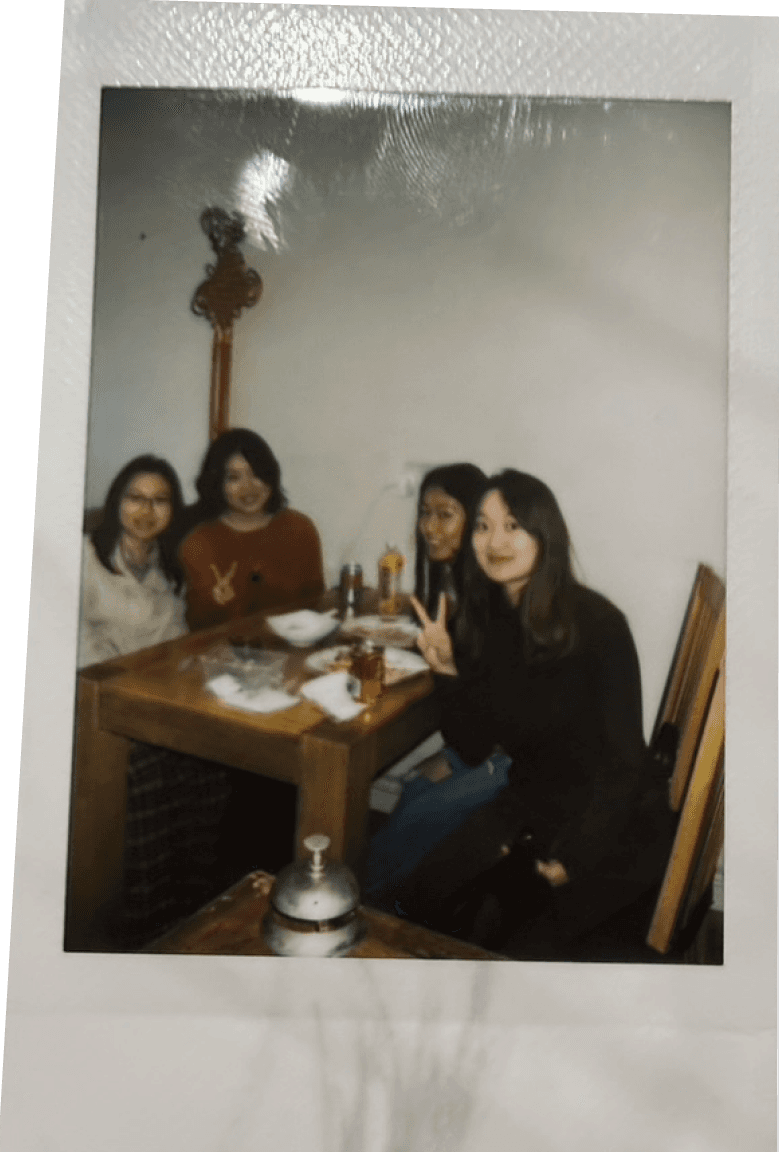
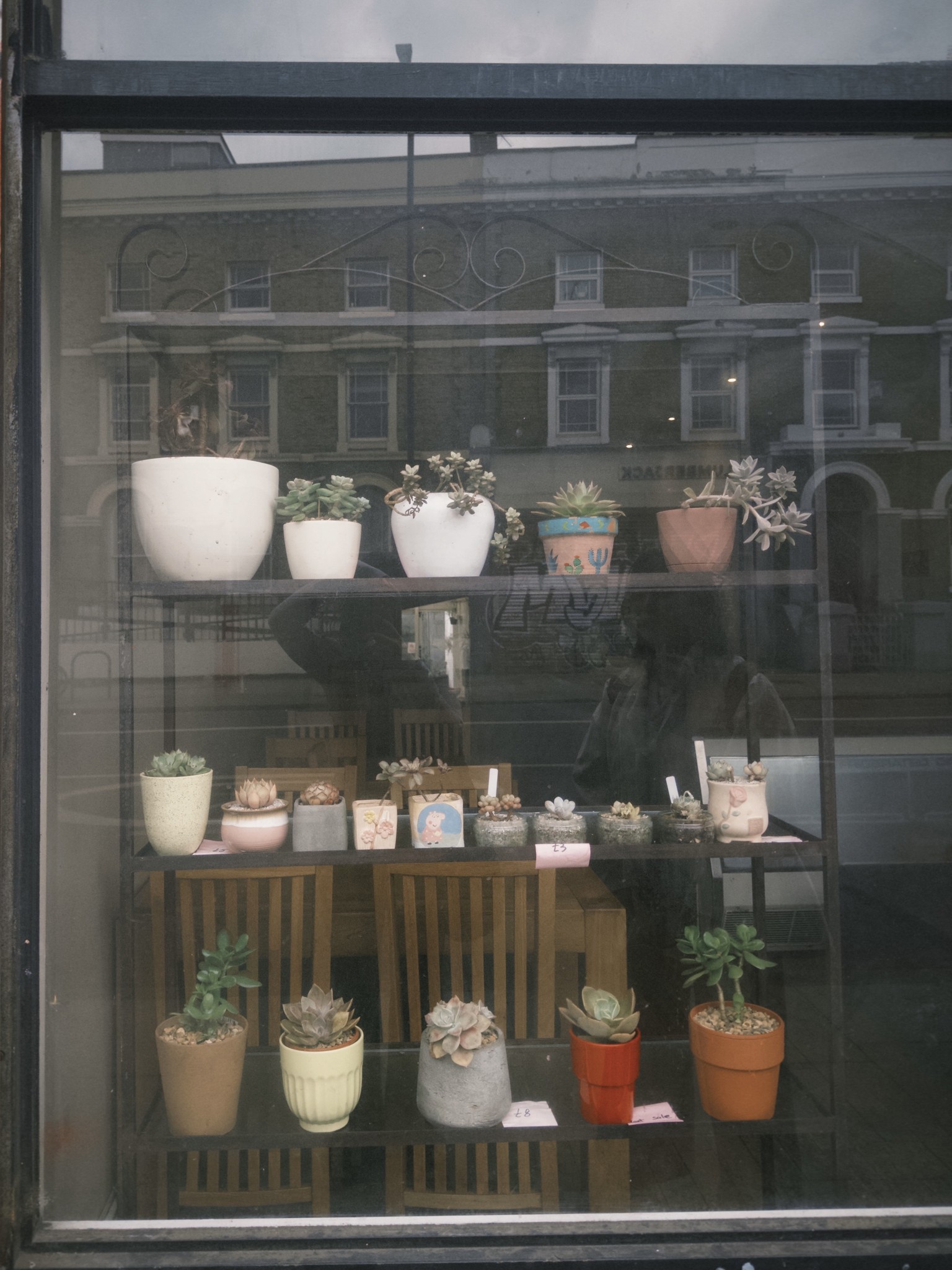
Click Items to Listen
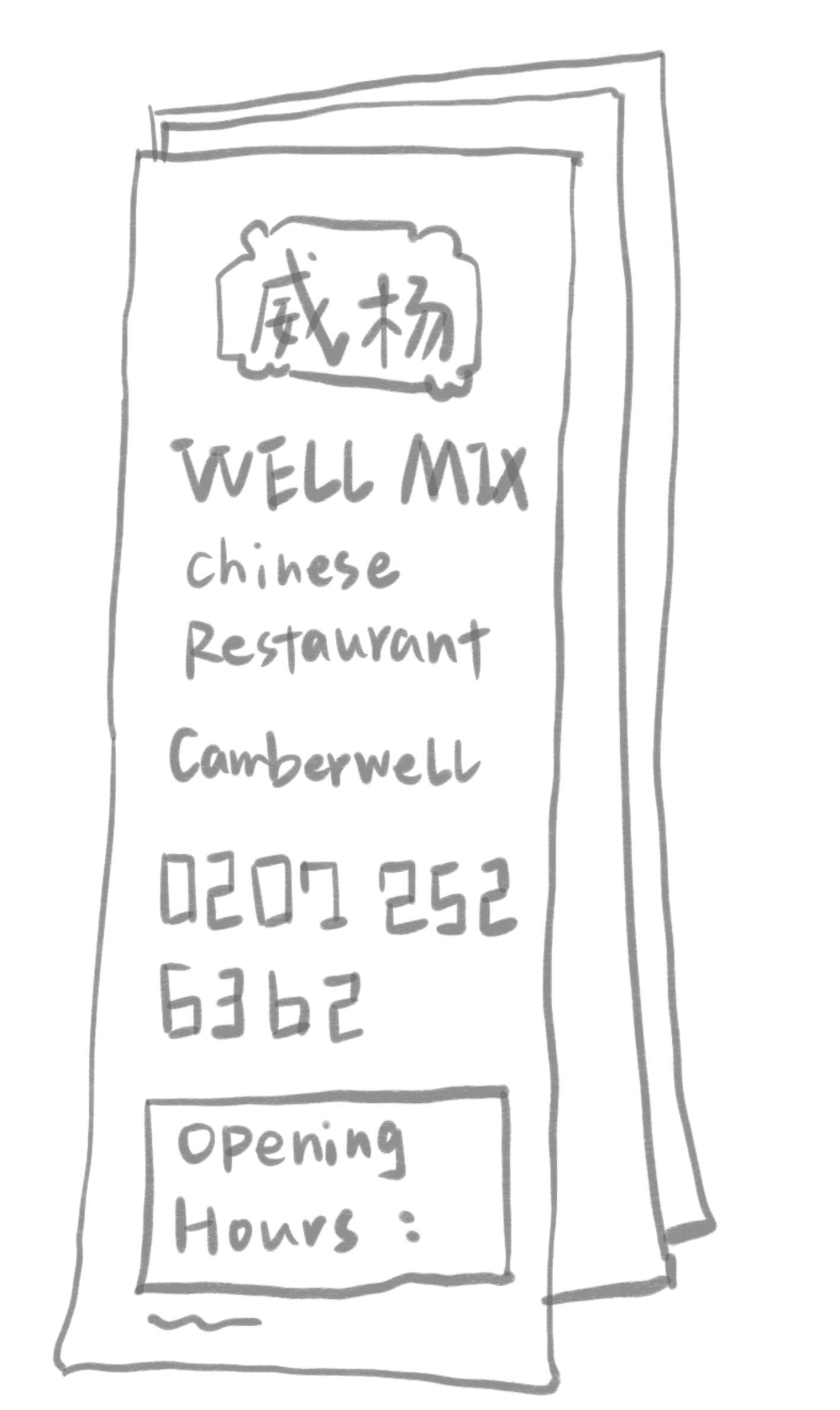
WELL MIX
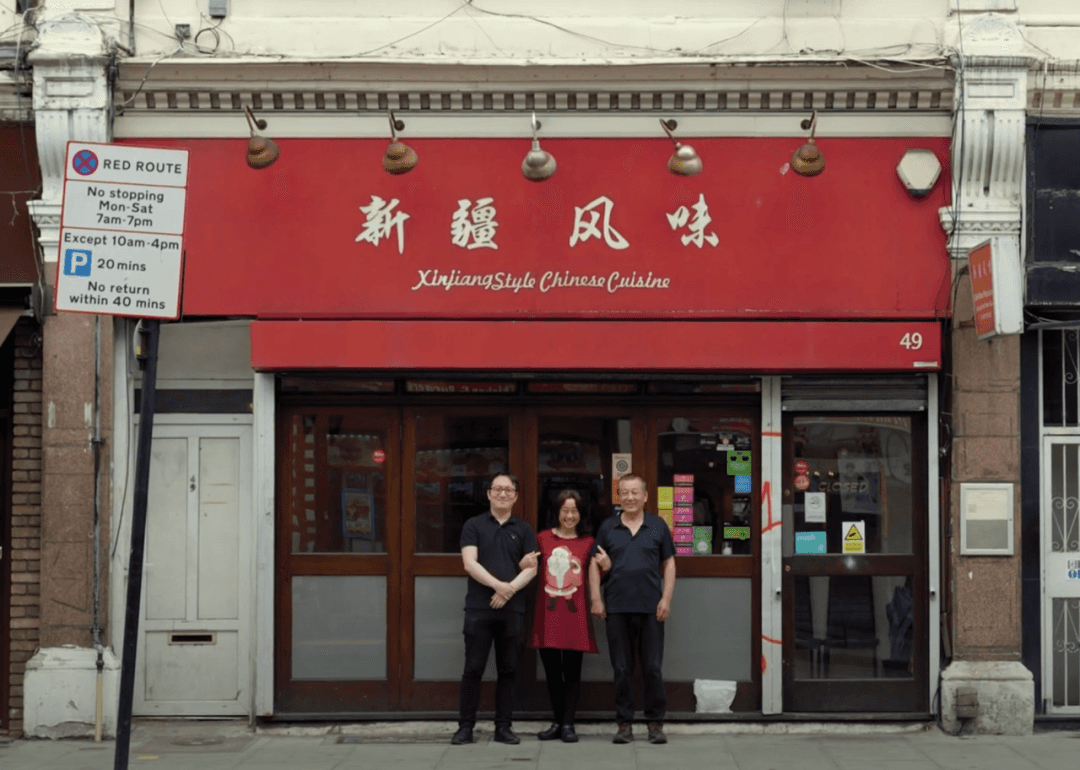
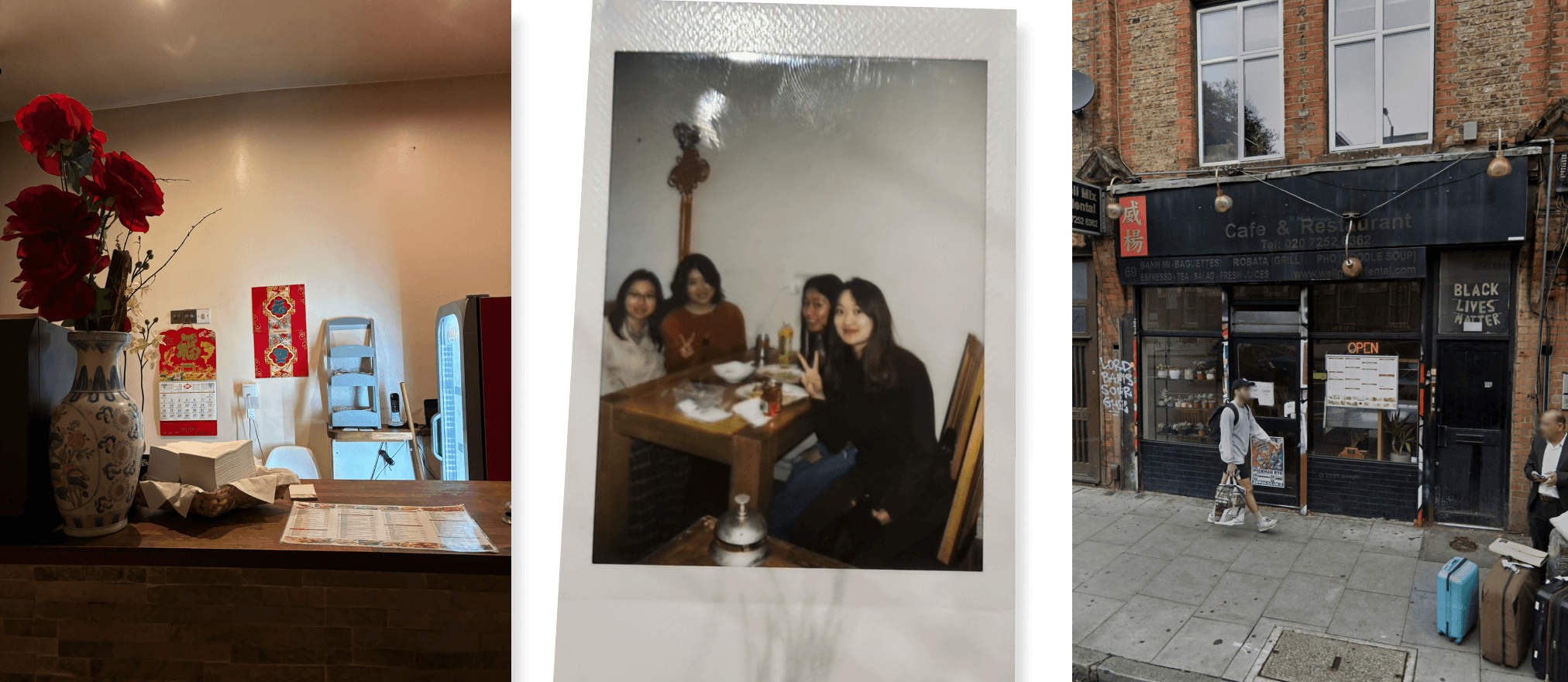
Over the past two months, we have established an initial connection with the owner of a Chinese restaurant called “Well Mix Oriental.”
We discovered that her identity goes far beyond being a restaurant owner — she is also a mother and a wife. Her own dreams and experiences seem to have gradually been overshadowed by these social roles. She once studied Digital Media Art and later chose to stay in the UK, where she designed her own menu and now runs a local Chinese restaurant. In our conversations with her, she spoke most often about her children — their growth, education, and future.
What we are reflecting on is this:
How can we engage with her life — to listen, to document, and to act — in order to create more spaces where meaningful communication can happen.
APPING
M
Workshop

talk talk !
Taste
and Listen!
Let s
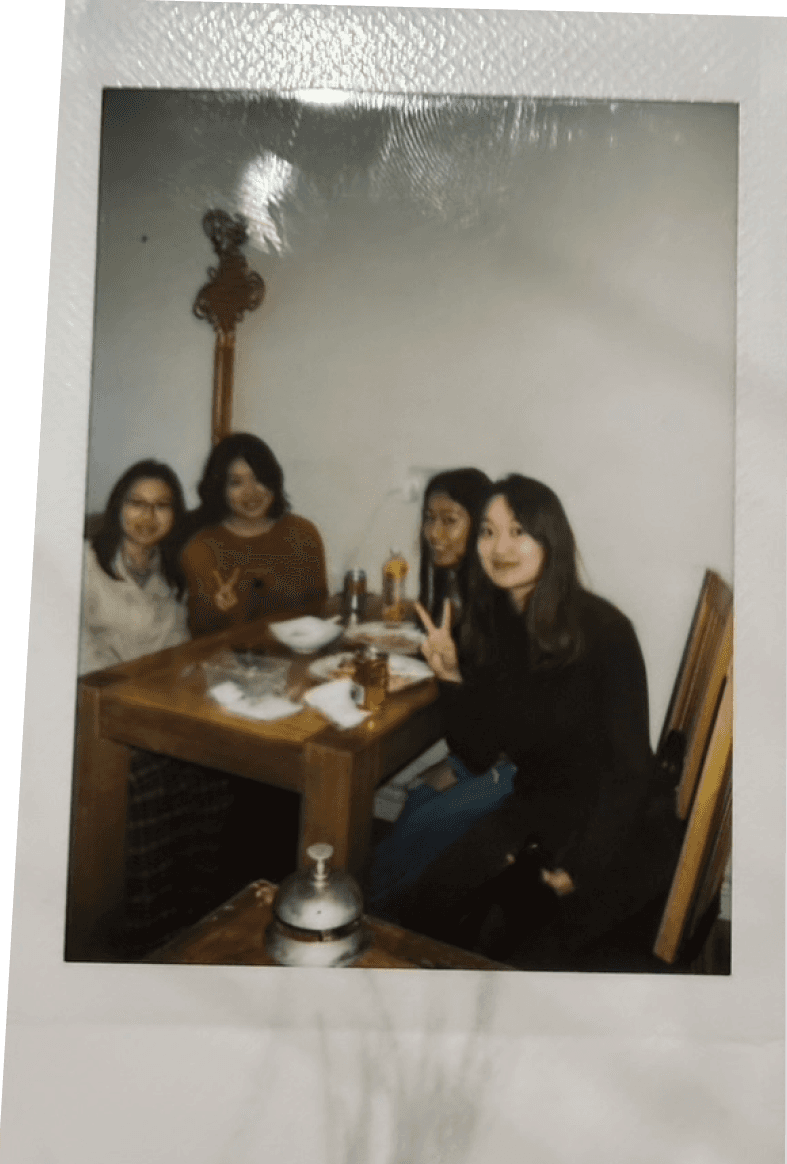
Field Diary
kept by Xiyu, Linyun, Amber, Yufei

2025.02.26_Fieldwork Journal
The auntie has over a thousand pots of succulents at home — a hobby she picked up during the pandemic. The husband likes potted plants, while she prefers succulents. They used to sell them in the restaurant — £2 per pot — but eventually stopped because it became too much to manage, and now the succulents grow wild.
A few years ago, there was a time when many international students from UAL, especially Chinese students in foundation programs, would come to eat at her restaurant. Back then, lots of students came for coffee and meals. In recent years, though, the number of UAL students seems to have declined. We suspect it might be due to departmental changes. Eventually, they were only selling two or three cups of coffee a day. When the coffee machine broke, repairing it would have cost £1,000, and even disposing of it would require extra fees, so they gave up on fixing it altogether.
They had thought about changing the menu, but with how busy things are every day, there's simply not enough energy — so they decided to keep things as they are and not make any changes.
At first, she didn’t speak Cantonese. But while working in Chinatown, where many people spoke Cantonese (Hongkongers, Malaysians), she managed to pick it up within a month — both understanding and speaking it.
Her child’s first language is English and has no interest in learning Cantonese, Mandarin, or Hokkien. So they communicate in English at home. When the child was little, she would bring them to the restaurant while working. Some customers who visited years ago and returned recently would comment on how tall the child has grown.
When she came to study in the UK, it was during the SARS outbreak. She had her interview in Beijing. Her first visa interview was rejected — she suspects it was because the officer believed people from Fujian might overstay illegally. This kind of situation was common between 2002 and 2005 (according to her memory). A week later, she submitted the exact same documents again, and a different officer approved her visa.

She was the only Fujianese student at the time — all her classmates were from northern China, places like Shenyang and Dalian. They used to work part-time in Chinatown together, as their English wasn’t good enough, and they didn’t feel confident working in Western restaurants.
Why do so many Fujianese people open restaurants?
She said it’s because Fujianese people are driven — and also because there’s a strong sense of competition among them; everyone wants to do better. There’s also a spirit of mutual support: once someone opens a restaurant, they often bring in relatives to join and work together. Everyone makes money together that way.
Many Fujianese started out working in restaurants — first as dishwashers in the back kitchen, then gradually moving on to food prep, plating, and eventually learning enough to open their own places.
Back then, student visas only allowed her to work a little over ten hours a week. She heard it's now 20 hours per week, but at one point, the visa even explicitly stated “no work allowed.”
She mentioned that a policy change in the UK would soon increase the service charge. She explained to us that service staff rely on service charges for income — many restaurant owners either don’t pay a base salary or pay very little.
The auntie is already used to the consumption culture here. When she and her husband dine out, they usually add an extra 10% tip on top of the default service charge, as a sign of respect.
She and her husband once dreamed of quitting the business and buying a big house in the British countryside — somewhere with land to grow the things they like. They also thought about returning to China to live that kind of life.
2024.12.10
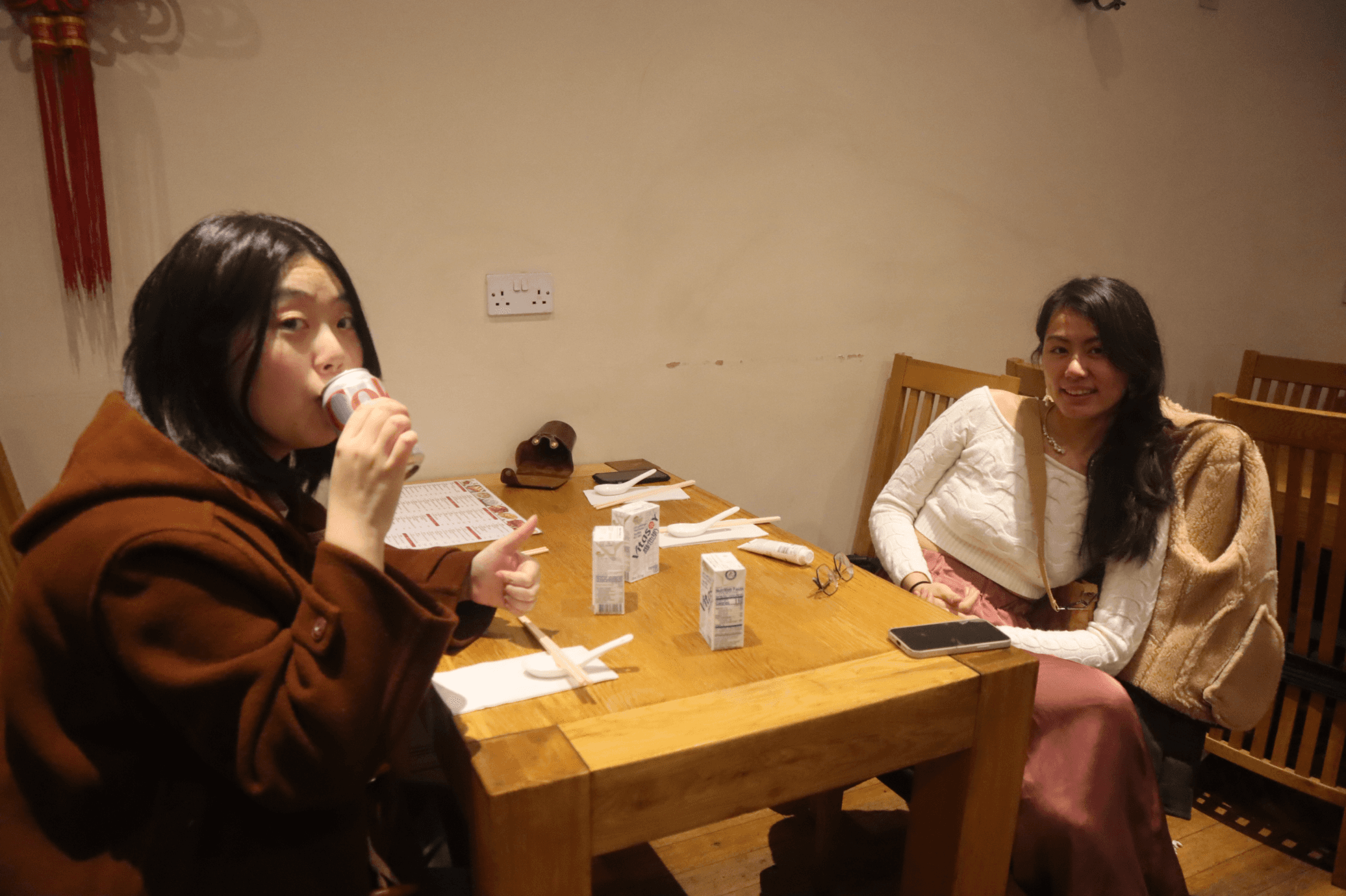

Their Xinjiang-style cuisine initially started as a takeaway business and later expanded to dine-in service. (This part needs to be confirmed with Fang Yue — not fully remembered.)
She’s also thought about opening a takeaway-only place elsewhere — working just half-days (5pm–10pm) would be less tiring. But doing that in Camberwell wouldn’t work because the competition for takeaways is too fierce.
She’s quite familiar with the restaurant scene in New Cross too — she used to have a friend who ran a restaurant there. Many of her friends are also in the food industry.
Why cash only?
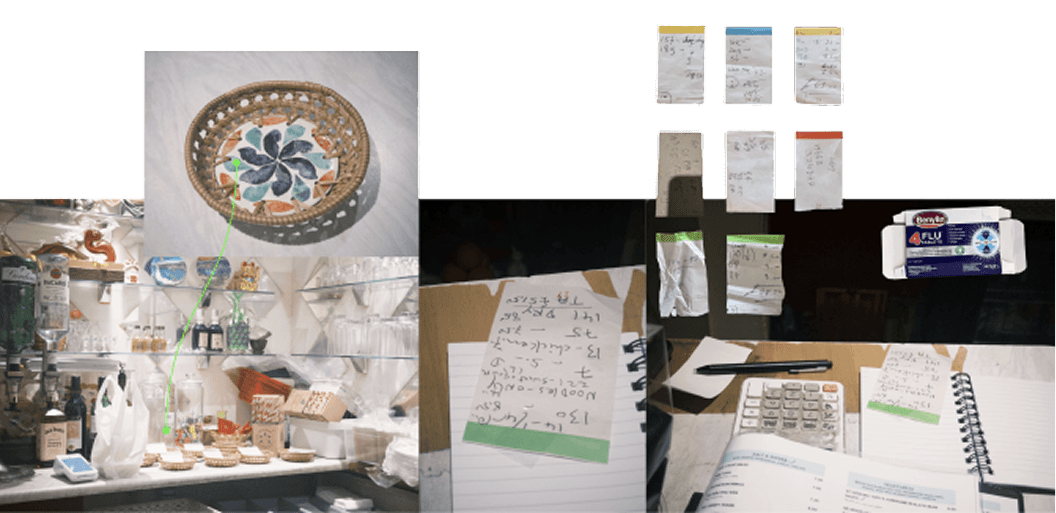
Because when it gets busy, a lot of foreign customers might not actually complete their payment — whether by mistake or intentionally. Since she doesn’t have time to double-check every bill, there were too many cases of people walking out without paying. That’s why they switched to cash only.
They also accept WeChat Pay because it’s convenient for Chinese customers transferring money from Chinese bank accounts, and there are no major transaction fees. This decision hasn’t affected their business at all.
At one point, a foreign customer came in wanting chicken wings. While the auntie was happily chatting with us, she called out to her husband to make them.
We had a long conversation. Her husband, after finishing up his tasks, sat quietly on a chair behind the cashier, scrolling on his phone. He never interrupted or rushed her — just listened patiently, waiting. Only when the auntie occasionally asked him about something would he chime in briefly. She said he actually understands most of what’s being said — he just doesn’t speak much. These days, he even watches historical dramas and martial arts shows. She, on the other hand, is too busy for that — she only has time for short videos and catching up on the news.
By around 10:40 p.m., we started to worry it was getting too late and didn’t want to hold them up from closing, so we decided to leave. Suddenly, the auntie remembered something and ran off to do it.
Just as we stepped out and were checking directions, she came chasing after us — telling Fang Yue that they probably live in the same direction and that she would give her a ride home.
2024.12.10
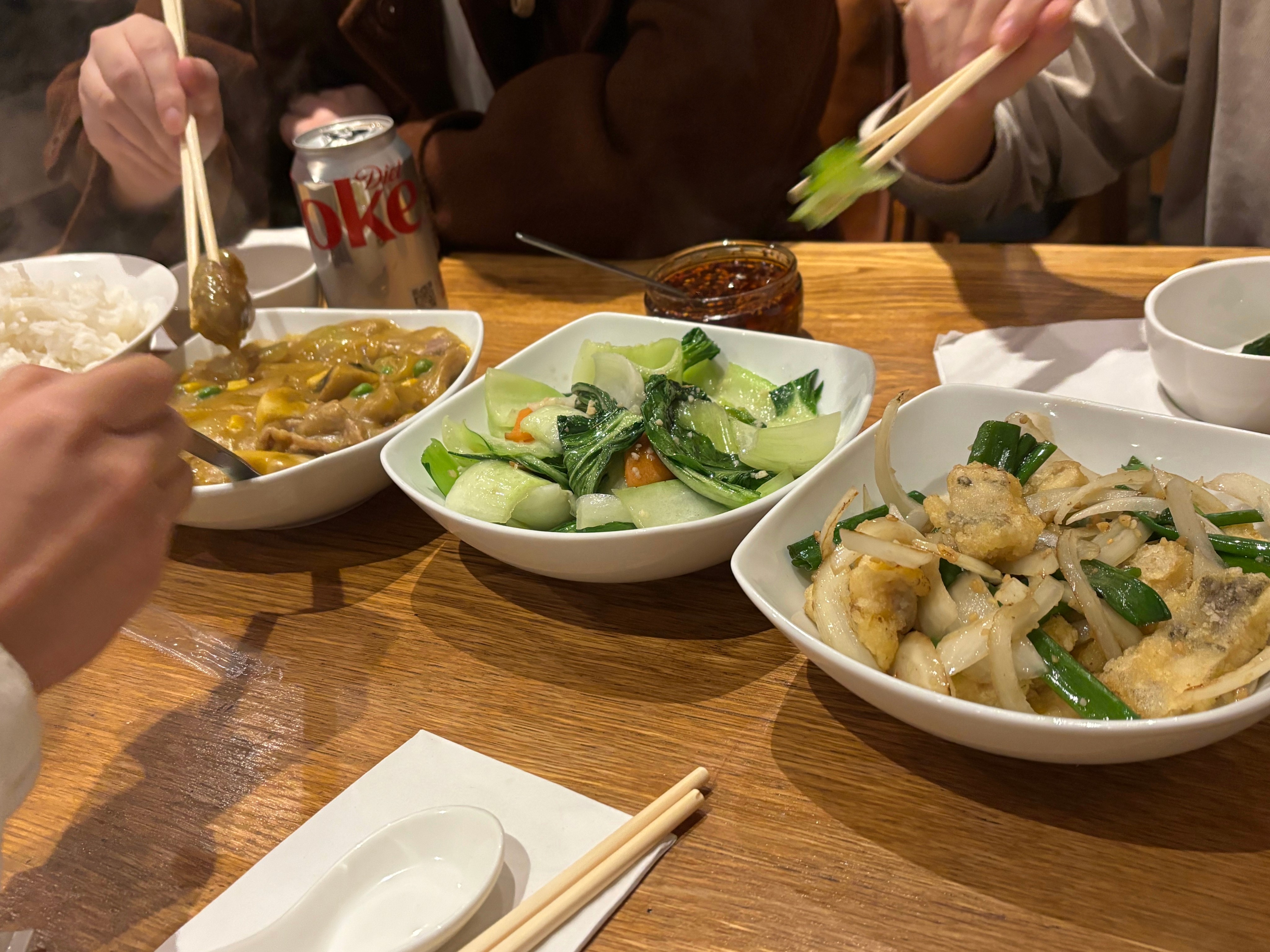
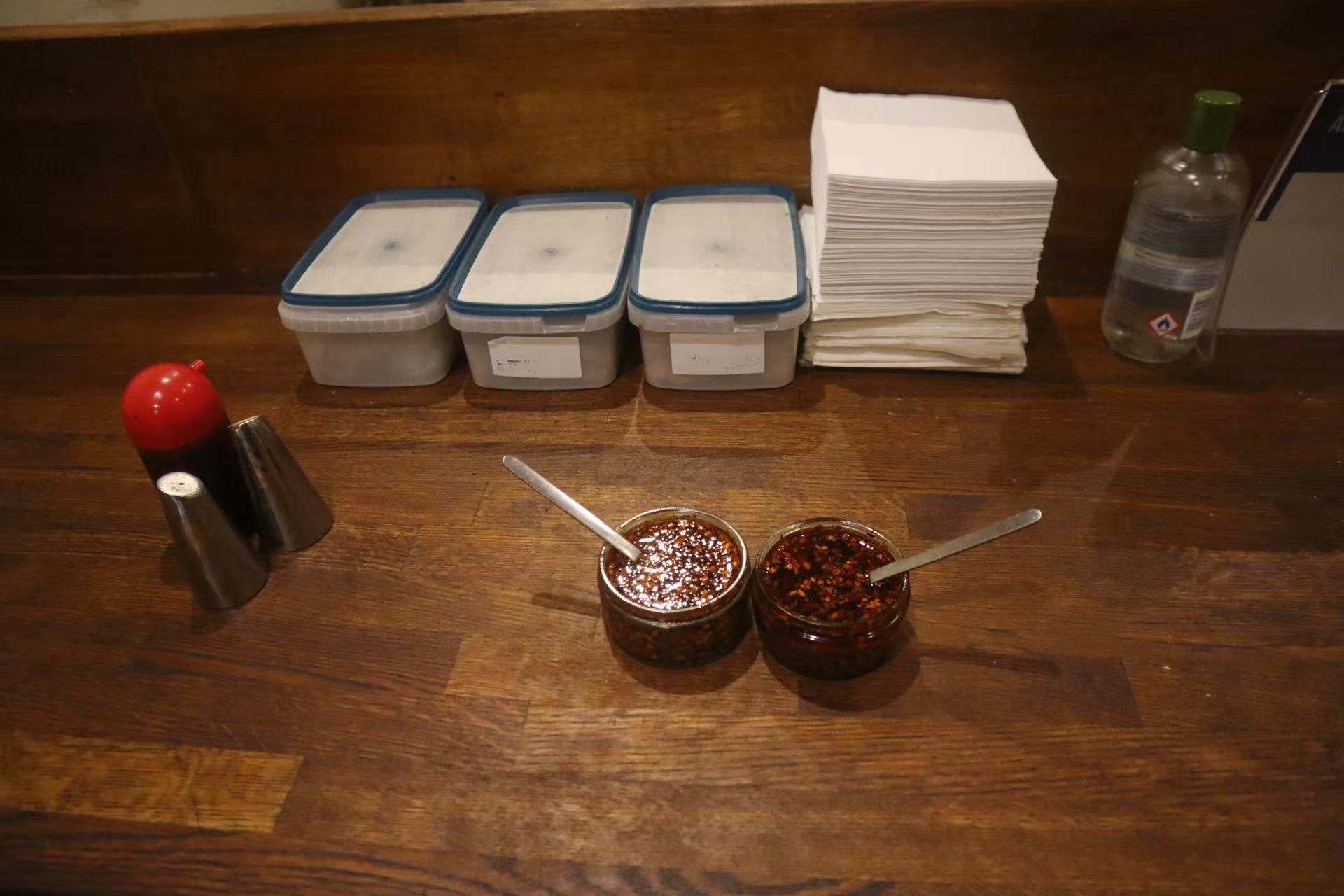


2024.11.23
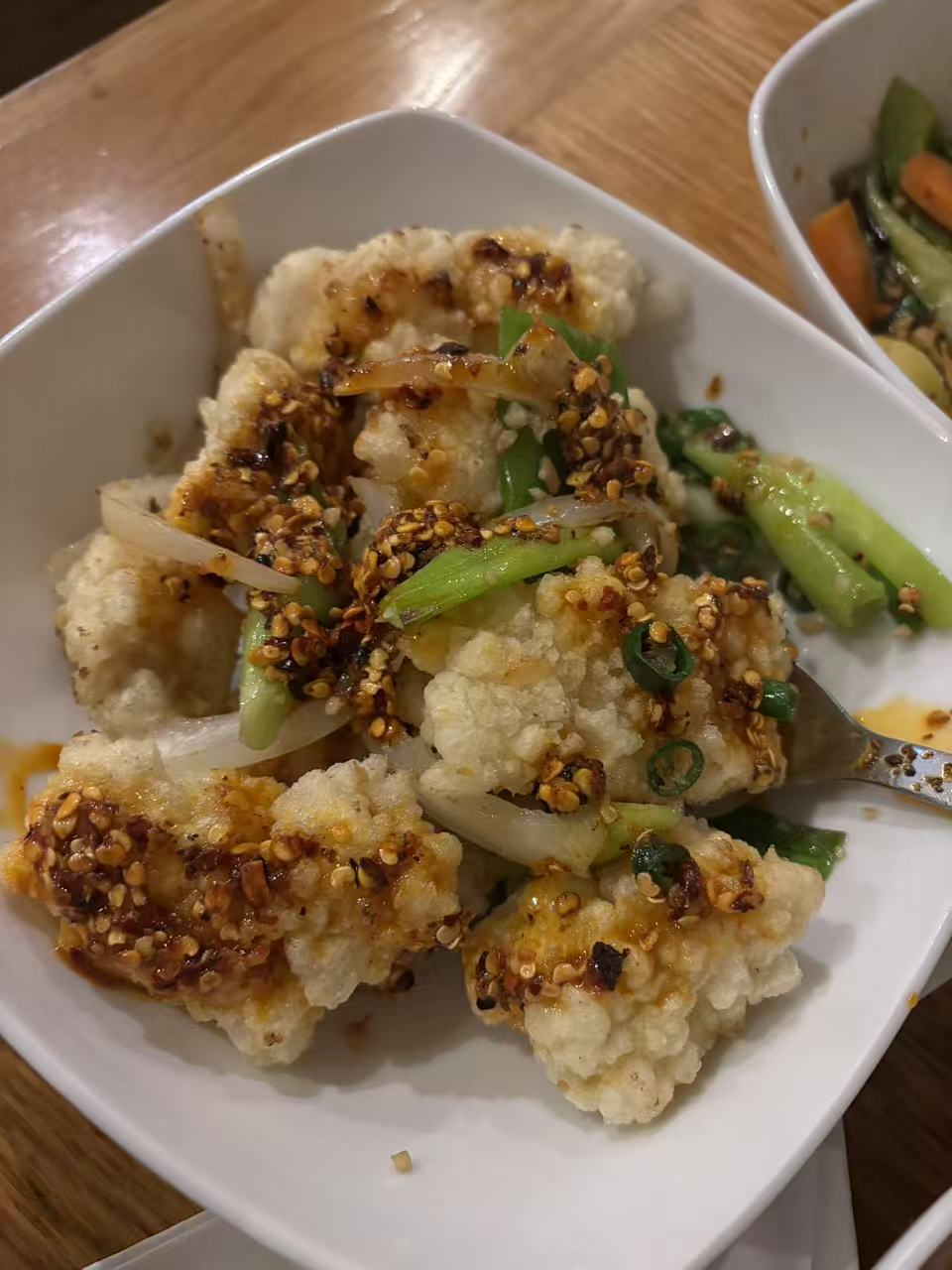
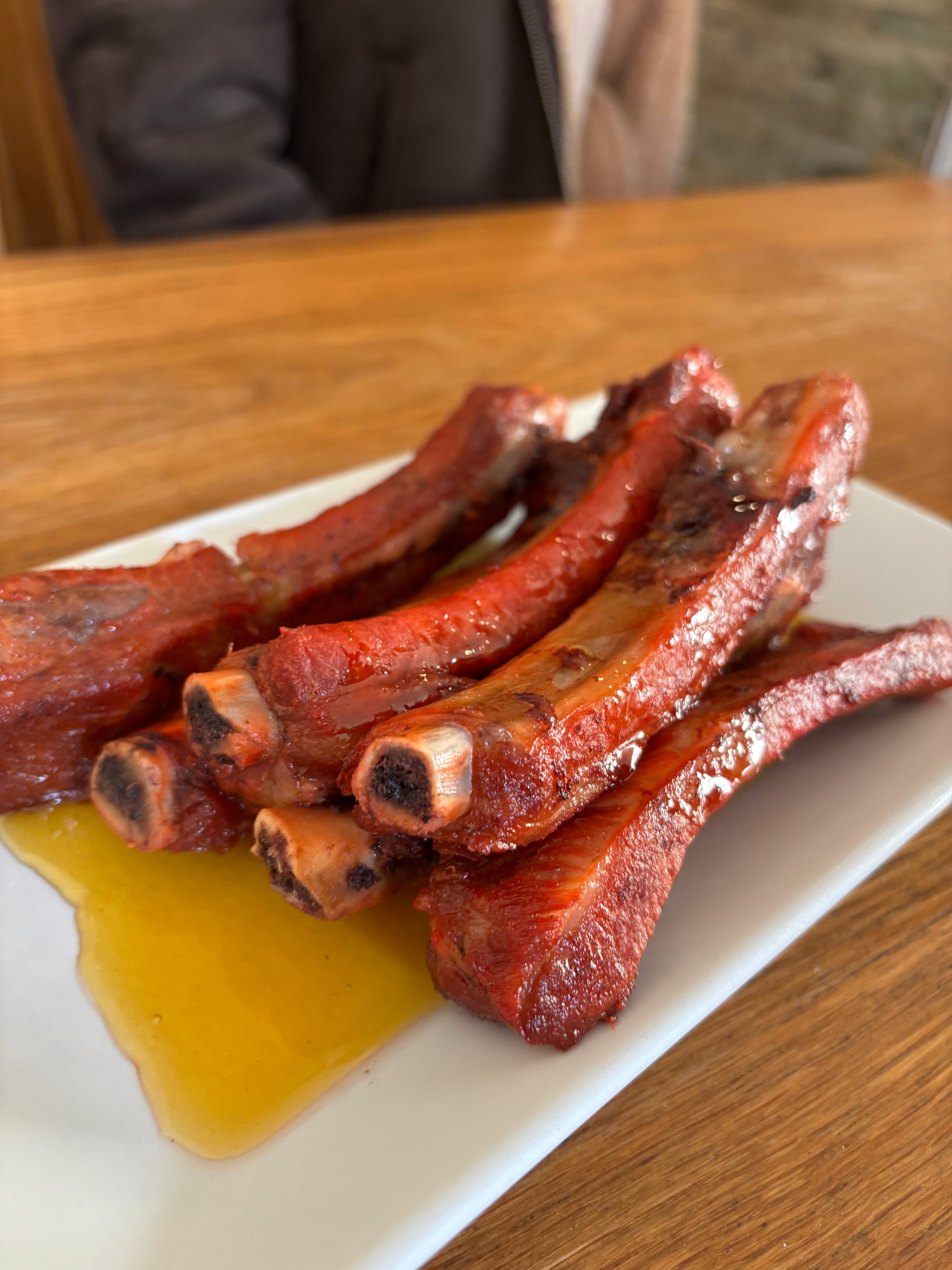
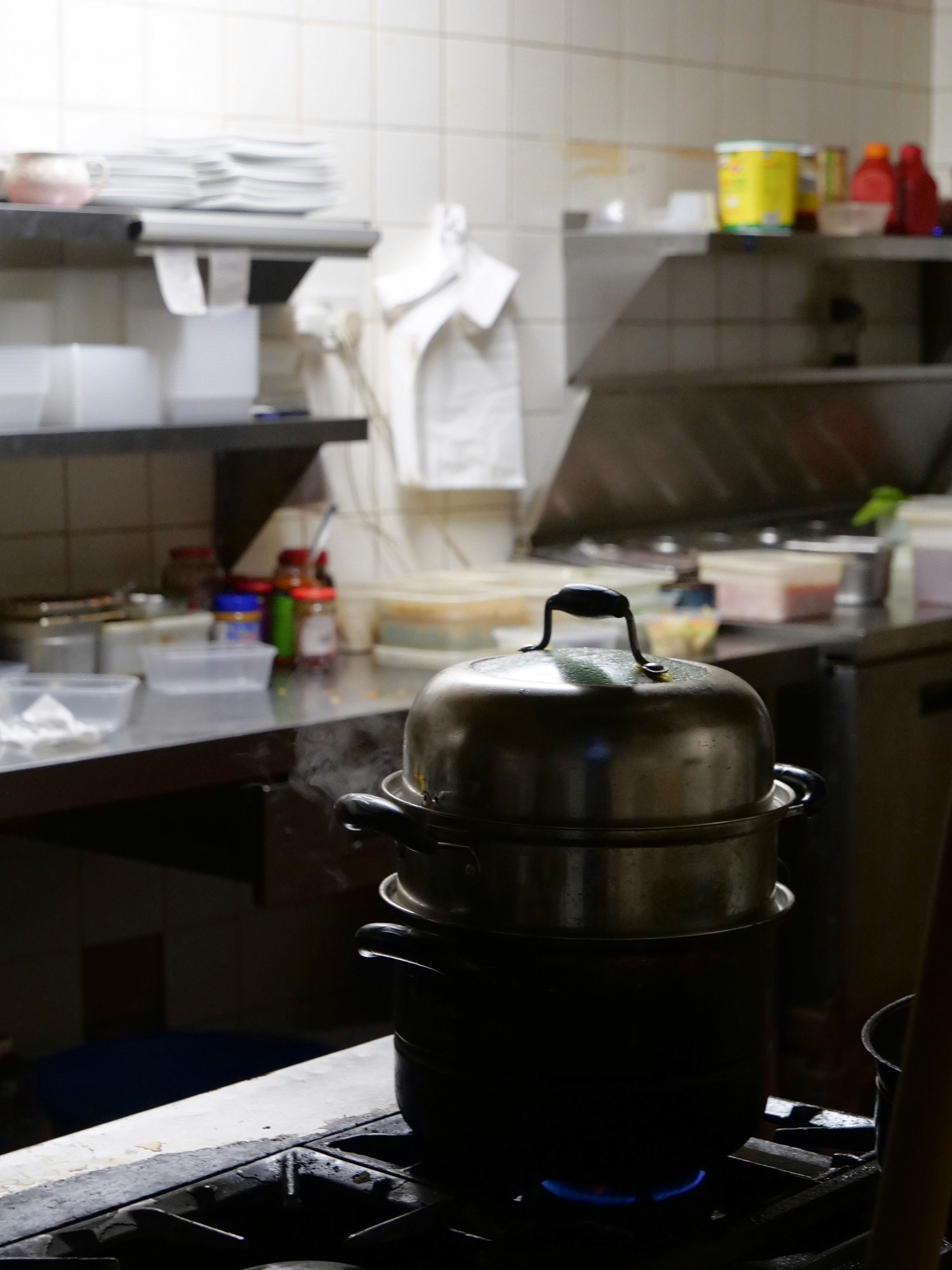
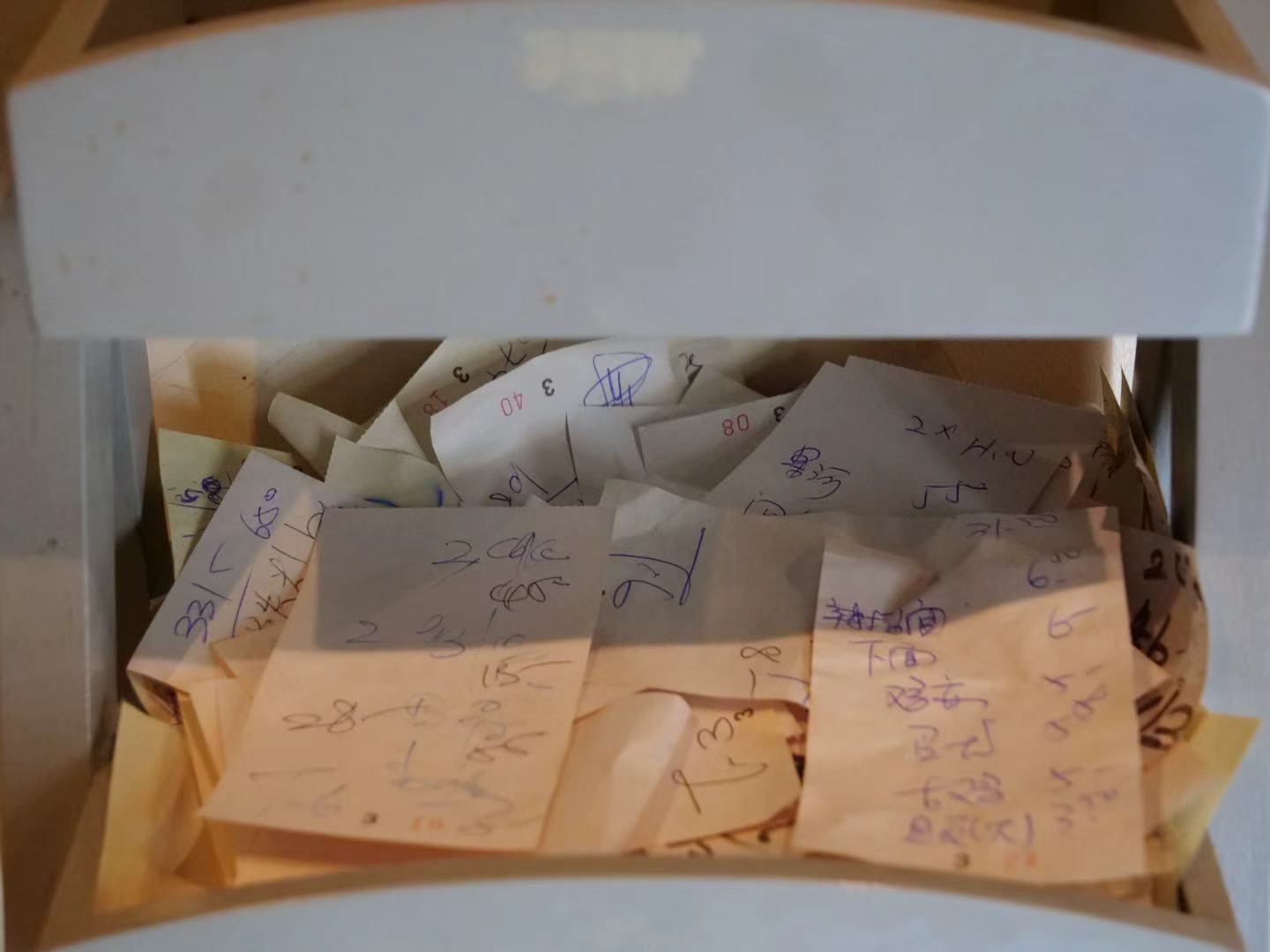

As we gradually established contact with the aunties, we realized that they held certain reservations about being photographed or documented in a visibly direct manner. Out of respect for their wishes and privacy, we decided to abandon our original image-based documentation approach and instead began to explore sound as a medium — creating a quiet and intimate space centered on listening rather than seeing.
We started capturing the everyday sounds in the back kitchen of Gu Yang restaurant: the clanging of spatulas against iron woks, the repetitive footsteps on the damp, sticky floor... These sounds became a form of indirect storytelling — capable of evoking imagination even in the absence of visuals. Through sound, we hope to evoke sensory experiences and invite the audience to listen to, rather than look at, the aunties’ daily lives, thus challenging the imbalance of power that direct visual gaze often imposes.
At the same time, we also engaged with the team at Wenxing and found that they, too, faced communication challenges due to language barriers. The lack of a shared language not only limited the depth of our research, but also revealed a deeper reality — the state of being "unable to speak" that many migrants face upon first arriving in London. This experience of linguistic and expressive disempowerment became one of the central themes we felt compelled to focus on.
As sociologist Pierre Bourdieu pointed out in Language and Symbolic Power, language is not merely a tool for communication — it also reflects structures of power. Linguistic inequality often translates into restrictions on participation and expression. Similarly, artist Lawrence Abu Hamdan’s practice of the politics of listening reminds us that sound can serve as a powerful medium that transcends language barriers and reaches directly into lived experience.
Therefore, our project attempts to substitute language with sound, and statement with sensation. We ask: how can we form connections, share experiences, and affirm the presence of silence — not as a void, but as a potent, intentional space — when words fall short?
That’s why we created this website.
Share Your Story
Explore Sounds
© 2025 Kitchen Echoes. All rights reserved.